

Get Access
Your information will not be used for marketing purposes and we never sell your data!
All research licensed under CC BY 4.0
Executive Summary
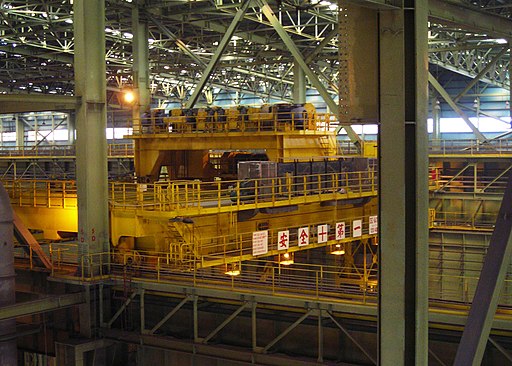
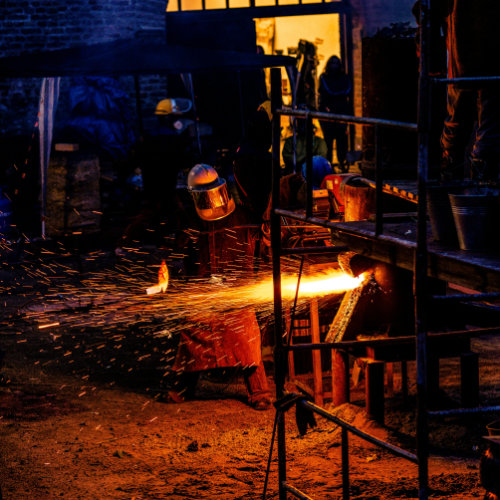
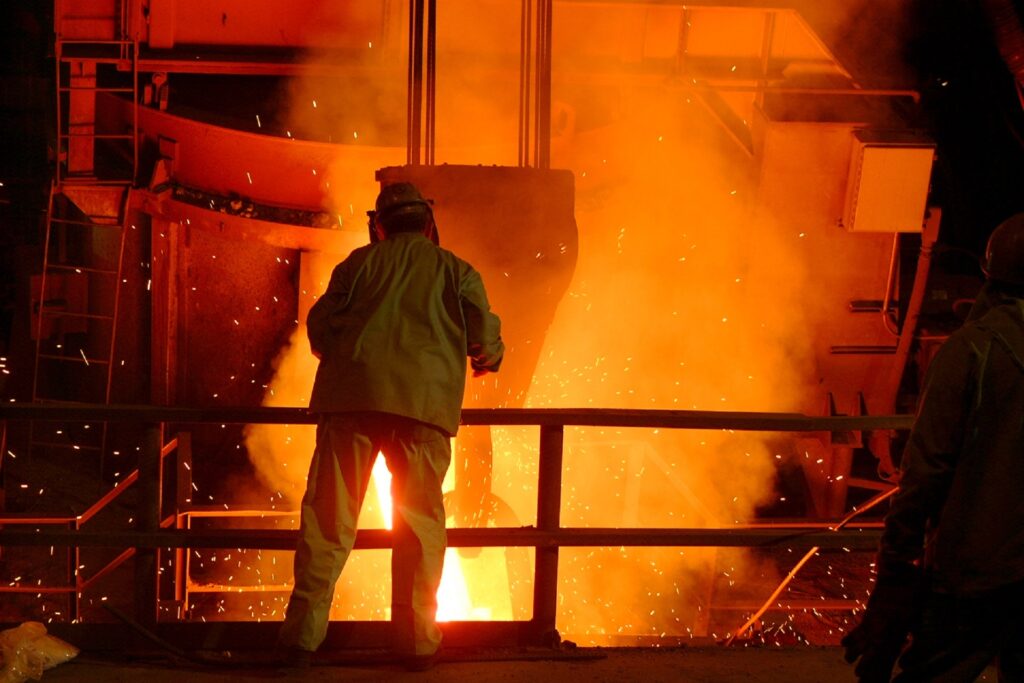
We rarely think about the concrete beneath our feet or the steel in our buildings, let alone the kilns and furnaces that create these materials. Industrial processes use huge amounts of energy, so much that the industrial sector is the largest consumer of energy in the global economy, accounting for 37 percent of global energy use in 2022. Most goods and technologies in our daily lives are produced by burning fossil fuels to generate heat at varying temperatures for a range of industrial processes—such as melting metals, catalyzing chemical reactions, fabricating machinery, and more. Fossil fuel combustion produces planet-heating greenhouse gases (GHGs) and other emissions that pollute the air and harm public health, and to make matters worse, industrial emissions have risen by around 70 percent since 2000.
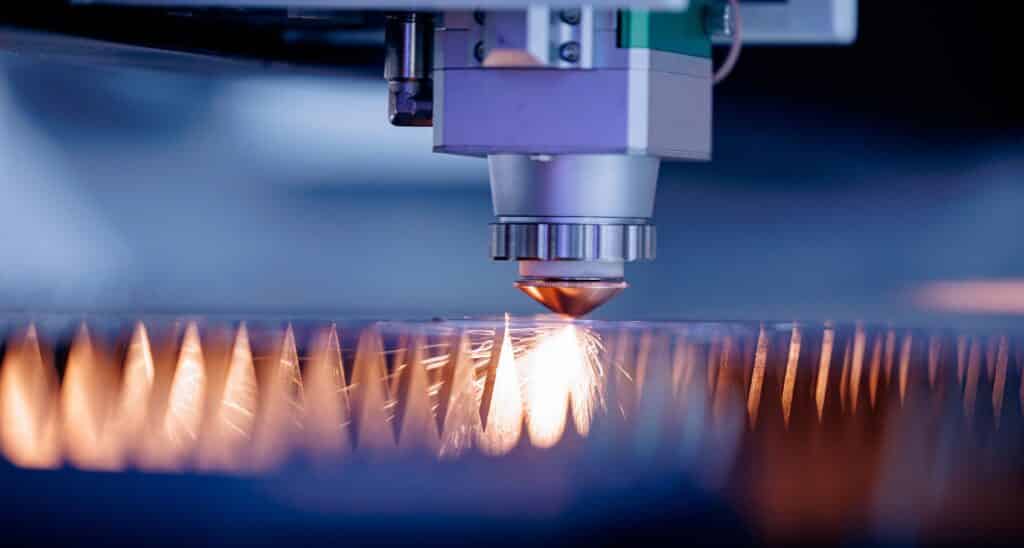
Fortunately, industries can adopt an array of commercially available electric technologies (such as heat pumps, electric boilers, thermal batteries, and electric arc furnaces) to generate heat for the same processes. By leveraging increasingly clean power grids or directly utilizing carbon-free resources, industries can swap dirty emissions for clean electrons.
This report is the definitive resource for policymakers and other stakeholders eager to catalyze industrial electrification around the world. It provides an accessible overview of global industry, industrial heating needs, and the relevant electric technologies capable of serving industrial heat demand. It examines the comparative advantages of electrification over other pathways to decarbonize industry, outlining the pros and cons of each approach. It also discusses the primary challenges to the transition and an array of policy solutions designed to overcome the barriers to industrial electrification.
Industrial electrification solutions are already underway. Companies around the world are demonstrating that electric technologies can modernize operations, improve worker safety, and meet growing global demand for low-carbon goods. Policymakers are increasingly stepping up to enact the policies necessary to overcome these barriers.
But accelerating industrial electrification this decade requires bold policy leadership and dedication from businesses to demonstrate the value proposition of electric technologies powered by carbon-free electricity in lieu of volatile and polluting fossil fuels.
The primary barriers to industrial electrification are:
- Economics – Though electrification can deliver many long-term economic benefits, the higher cost of electricity relative to fossil fuels in many places and the capital expenditures needed to switch to electric technologies can be a deterrent to change. In addition, the costs to connect to the grid or disconnect from an existing fossil fuel utility can layer on additional expenses for industries.
- Grid readiness – Electric grids and utilities around the world face growing demand for electrons and tackling climate change requires a massive buildout of carbon-free electricity in the coming decades. Absent proactive policies, industrial electrification may be hindered by slow interconnection processes (for new load and clean generation) and outdated planning that fails to account for the huge demand from electrified manufacturing and other processes.
- Technology maturity and awareness – Even though a wide range of electric technologies have been commercially available and in use in specific applications for decades, not all have been deployed at scale or applied to traditionally fossil-fueled industrial processes. No single technology or policy will electrify all industrial processes, especially given the diversity of subindustries within the sector. But an array of all-electric technologies are capable of serving a wide range of temperature needs across the varied industrial processes.
A combination of policies will help shift industries toward electrification as the preferred alternative to fossil fuels and other competing decarbonization pathways. Policymakers will want to consider their unique policy and economic contexts, as well as the industries in their jurisdictions, as they devise comprehensive solutions to overcome barriers.