How Wright’s Law Can Right the Climate
EI’s Anand Gopal says Inflation Reduction Act incentives will cut costs for clean energy technology around the world, empowering developing nations to leapfrog fossil fuels.
EI's Anand Gopal says Inflation Reduction Act incentives will cut costs for clean energy technology around the world, empowering developing nations to leapfrog fossil fuels.
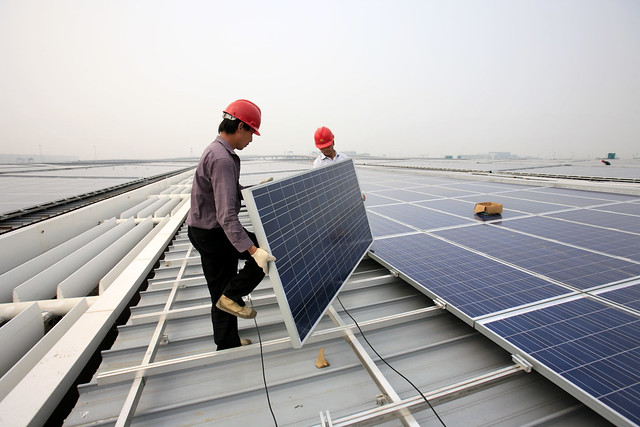
EI’s Anand Gopal says Inflation Reduction Act incentives will cut costs for clean energy technology around the world, empowering developing nations to leapfrog fossil fuels.
EI’s Sara Baldwin explains the Inflation Reduction Act’s electric vehicle tax incentives will create jobs, save consumers money, and cut air pollution.
EI’s Mike O’Boyle explains China and the U.S. can cut carbon emissions faster if they work together, and both countries can reach an 80 percent clean grid by 2035.
EI’s Hadley Tallackson explains consumers decisions to electrify their homes can have big climate benefits, and there are a suite of federal and state policies to help them make the switch.
EI’s Dan Esposito and Kimani Jeffrey explain the tax credits in the Inflation Reduction Act make clean energy even more affordable, which will help states and utilities reach clean energy goals.
EI’s Sara Baldwin and Hadley Tallackson detail how billions in Inflation Reduction Act incentives will fund millions of efficient electrified buildings across the U.S.
EI’s Hal Harvey writes that citizen action in local government venues could help bridge the gap between the Inflation Reduction Act and the U.S. NDC pledge.
EI’s Michelle Solomon and Mike O’Boyle outline potential Inflation Reduction Act just transition benefits for coal communities across the U.S.
EI’s Dan Esposito details how the Inflation Reduction Act’s clean energy tax credits could supercharge U.S. renewables, more than doubling total capacity by 2030.
As climate change causes more extreme heat days across the globe, heat has become a critical issue for public health and city planning. Recent research illuminates why extreme heat poses even greater health and economic threats than previously thought, but also points to ways we can build effective solutions to address it.